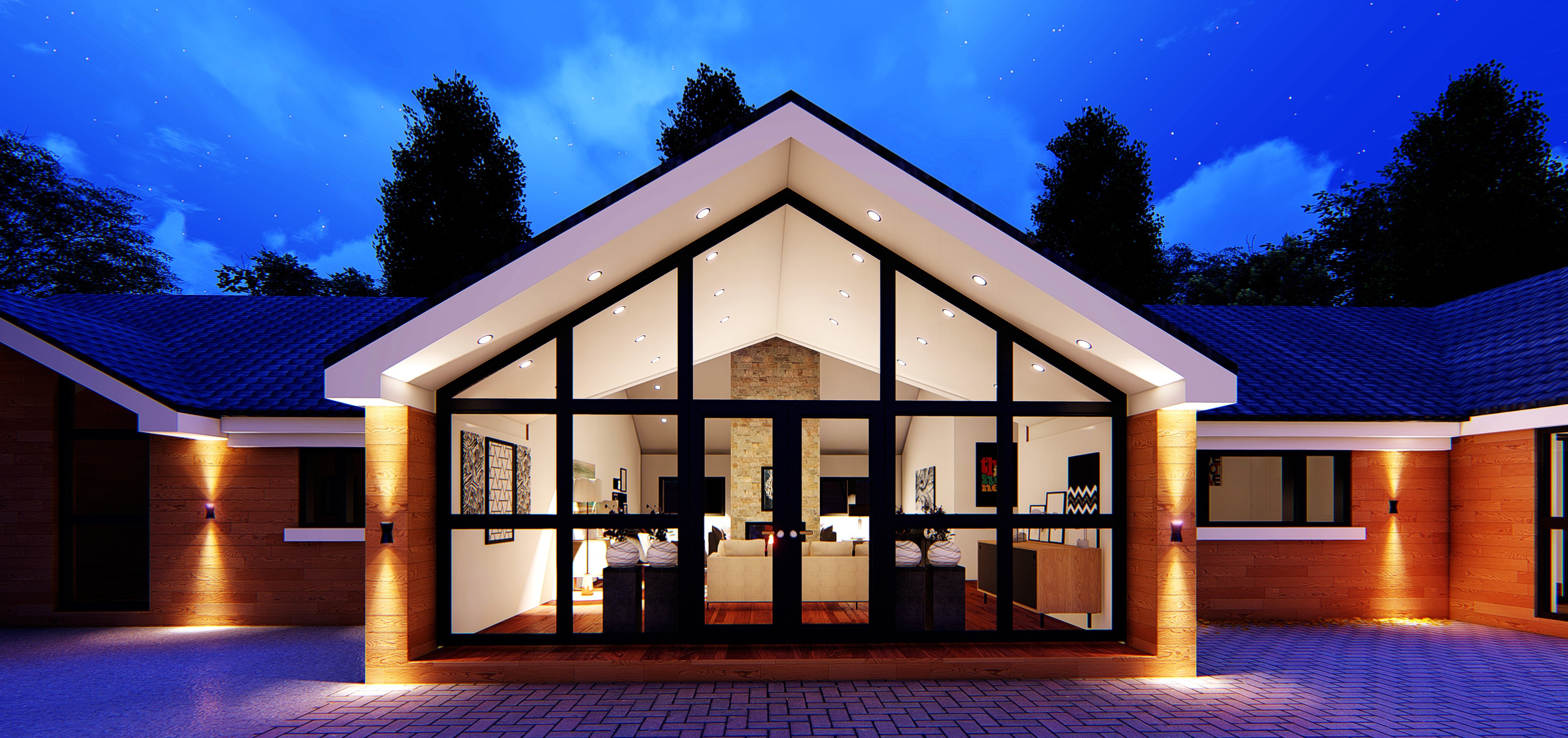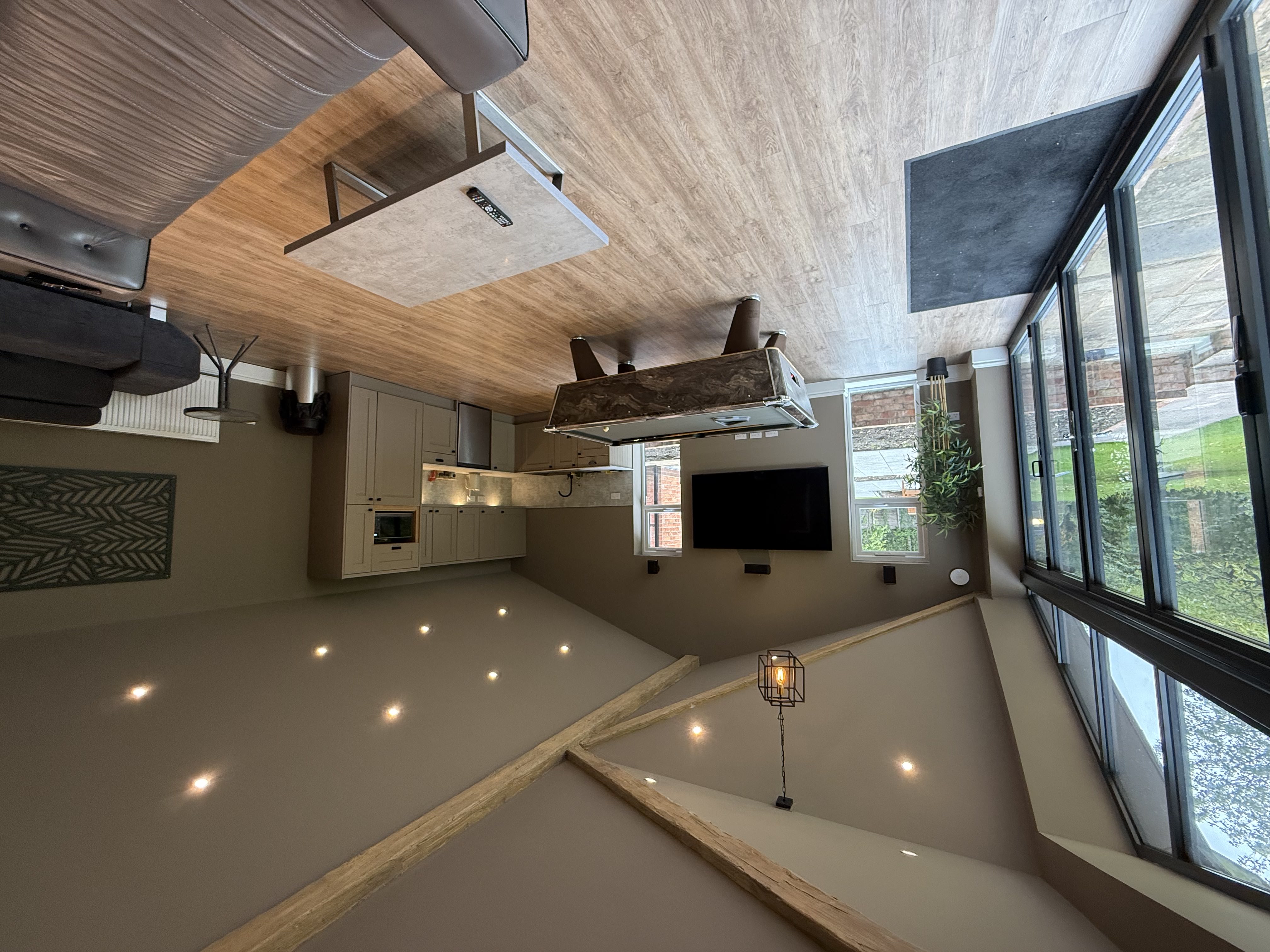
Adapting a home to meet the changing needs of a growing family is one of the most common challenges we hear about at NADA Architects. A flex room, a space intentionally designed to evolve over time, is one of the most practical and cost-effective answers. Rather than renovating every few years as circumstances change, you design once with longevity in mind.
We have delivered multipurpose room projects across Didsbury, Chorlton, Altrincham, Wilmslow, Bramhall, Cheadle, Gatley, and Sale. Here is what we have learned.
What a Multipurpose Actually Is
A flex room is not simply a spare room. It is a space designed from the outset to serve multiple purposes across different life stages. In practice, it might start as a playroom for young children, become a homework and study zone a few years later, and eventually serve as a guest suite, home office, or second living area when the children are older.
This matters particularly in South Manchester, where making the most of every square metre is important and where buyers increasingly look for homes that will remain functional as their lives change. A well-designed flex room does not just improve day-to-day living. It protects long-term property value too.
Why Manchester Families Are Prioritising Flex Spaces
The shift towards hybrid and remote working has made dedicated home office space a genuine need rather than a luxury. At the same time, families with young children want play space that does not take over the whole house. And as parents age, multigenerational living arrangements are becoming more common across Greater Manchester.
A flex room addresses all of these at once. It is the single room that can be a playroom today, a teenager's media room in five years, and a ground-floor guest suite for visiting family after that. In our Bramhall family remodel and our Gatley development, this approach meant the space remained genuinely useful across a decade of changing family life, without a single structural intervention once the original build was complete.
Common Multipurpose Room Uses We See in Manchester
In our experience, the most successful flex rooms tend to move through the following uses over time.
A playroom or early learning space for young children, with built-in storage that conceals toys and keeps the rest of the house calm. Then a homework and study zone, with wall-mounted desks and good task lighting. Later a media room or hobby studio for teenagers, with acoustic consideration and blackout blinds if needed. And eventually a guest suite or home office, with a convertible bed and enough separation from the main living areas to feel like a proper room.
Each transition requires little more than rearranged furniture and updated storage. That is the point.
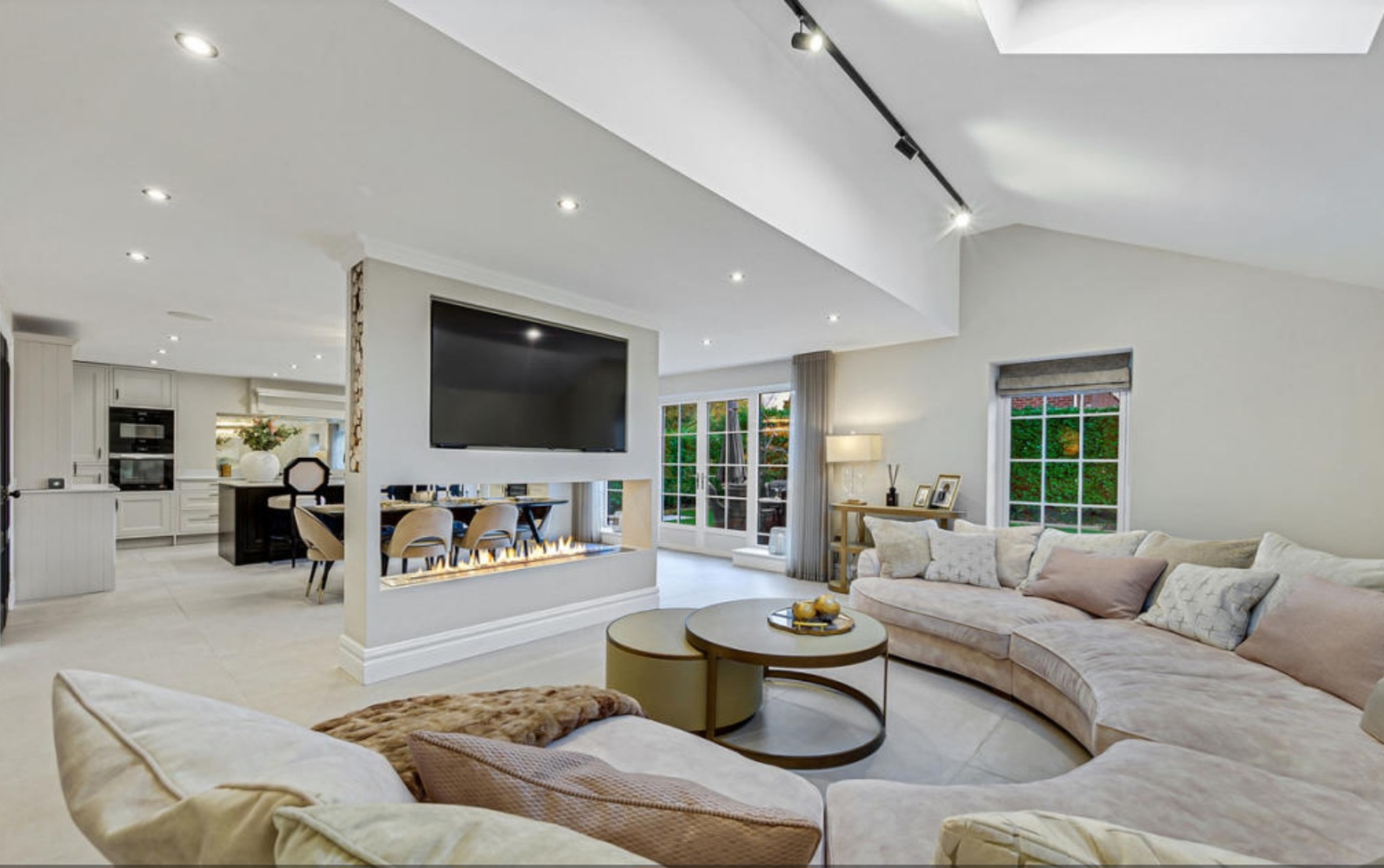
How to Design a Multipurpose Room
Getting a flex room right is about decisions made at the design stage, before a single wall goes up. These are the principles we work through with every client.
Location and Size
Position matters as much as square footage. A ground-floor flex room works well for young families, keeping children close to the kitchen and main living areas. An upper-floor room offers more privacy as children grow older, and is better suited to a home office or guest accommodation.
For size, we recommend a minimum of 12 to 15 square metres to allow genuinely flexible furniture layouts. This gives enough room for a sofa, a desk, storage, and a convertible guest bed without the space feeling crowded. Where possible, positioning the room to connect with an outdoor area, through French doors or bifold doors, significantly increases its usefulness across different seasons and functions.
Our Cheadle single-storey extension is a good example of this: a garden-facing flex room with bifold doors that works as a lounge, a play space, and an overflow entertaining area depending on the time of year.
Zoning Without Walls
The best flex rooms use subtle zoning rather than fixed partitions. A rug defines a seating area. Shelving separates a work corner from a play zone. Lighting layers distinguish between task areas and relaxation space. Sliding or pocket doors allow the room to open up into adjacent living areas or close off entirely when noise management matters.
The key is that none of these elements are permanent. They can be reconfigured as the room's function changes, without any structural work.
Storage
Built-in storage is one of the most important investments in a flex room. Under-bench bins work well for toys and games early on. Deep shelving adapts to books, hobby equipment, or business files later. Concealed cupboards keep the room looking calm regardless of what is being stored inside.
In our Stockport full refurbishment, wall-mounted shelving that wrapped around the main living space kept the flex area visually clean while supporting genuinely different uses across different periods of family life.
Light
Natural light makes a disproportionate difference to how a room feels and how many uses it can comfortably serve. Manchester averages around 1,400 sunshine hours per year, so every design decision around glazing matters. Where wall windows are limited by the room's position, a well-placed rooflight can transform the feel of the space entirely.
We assess daylighting as part of every feasibility study we carry out. It shapes the room's orientation, the position of the doors, and where the key activity zones should sit.
Furnishing for Flexibility
The furniture choices in a flex room matter more than in any other room in the house. The most useful pieces we see in practice are sofas with hidden storage and pull-out beds, expandable or wall-mounted fold-away desks, stackable or easily stored seating, modular shelving units that can be reconfigured without tools, and built-in joinery designed to serve more than one function from the start.
Custom joinery costs more upfront but eliminates the need to replace furniture every time the room's purpose shifts.
Planning and Getting Started
Do You Need Planning Permission?
It depends on the size, position, and location of your home. Many single-storey rear extensions that incorporate a flex room fall within permitted development rights and do not require a full planning application. However, if your home is in a conservation area, which includes parts of Didsbury, Heaton Moor, and Altrincham, your permitted development rights may be restricted.
Our planning permission service covers the full process, from feasibility assessment through to submission and council approval. We handle all drawings, site layouts, and communications with the local authority so you are not navigating that alone.
Future-Proofing Details Worth Building In Early
Several features cost very little to include at build stage and a great deal to retrofit later. Wide doorways and level access make the room usable for all ages, including older relatives. Pre-installed conduit for data cabling, smart lighting, and audio systems means the room can adapt to home office or specialist use without structural disruption. Extra electrical sockets, more than you think you will need, consistently prove their worth over time.
Neutral decor choices, soft whites, warm greys, and earthy tones, mean the room can be refreshed with accessories and soft furnishings rather than a full redecoration every time its function changes.
How We Work With Families on Flex Room Projects
Our process begins with understanding how your household actually works day to day. We map routines, identify pain points in the current layout, and look at how the room's purpose is likely to shift over the next 10 years. That conversation shapes the design more than any reference image or trend.
From there, we carry out a full feasibility study that looks at structural options, planning constraints, and the room's relationship to the rest of the house. We then produce detailed drawings that cover not just the room itself but how it connects to adjoining spaces, the garden, and the wider ground floor layout.
You can see the results of this approach across our completed projects in Bramhall, Gatley, Cheadle, and Heaton Mersey.
Start With a Free Consultation
A flex room designed with care is more than a spare room. It is an investment in a home that works through every stage of family life, from toddler years through to welcoming guests or working from home full time.
If you are considering adding a flex room through an extension or loft conversion, get in touch for a free consultation. We will look at your home, understand what you need, and give you an honest view of what is achievable. You can also explore our extensions and loft conversions service to see how we approach this type of project across South Manchester and Cheshire.

More News