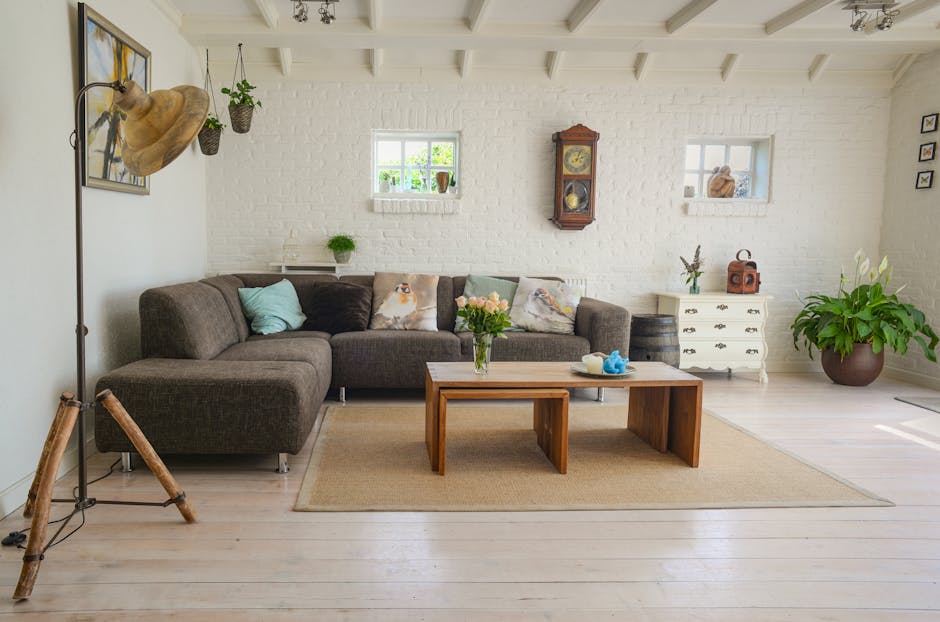
Across Greater Manchester, homeowners are moving away from stark whites and cool greys. Instead, they're choosing colours inspired by nature: deep terracotta, sage, ochre, soft caramel browns.
These warm neutrals and earthy tones create interiors that feel grounded, comfortable, and built to last. They make spaces feel larger and more inviting. They age well. And they give you the flexibility to change furniture, accessories, or layouts without the whole room falling apart visually.
If you're planning an extension, a remodel, or just rethinking how your home feels, understanding how to use these colours properly makes a real difference.
Why These Colours Work
We've worked on projects across Didsbury, Chorlton, Bramhall, and Altrincham where these palettes transformed both how the home looked and how it functioned.
They make spaces feel larger by bouncing light softly and creating flow between rooms. They enhance architectural features like stone worktops, timber beams, and textured fabrics by letting the materials speak for themselves. High-contrast whites and greys can feel harsh, especially in north-facing rooms. Warm neutrals soften that.
Buyers in areas like Didsbury and Cheadle respond well to homes that feel warm, practical, and cohesive. If you're investing in an extension or loft conversion, a palette that doesn't date is part of the design brief.
Colours We're Using in 2026 Projects
Deep terracotta and clay reds work as bold accents on feature walls, kitchen islands, or alcoves.
Mossy and olive greens bring serenity to bedrooms and lounges. They work particularly well with natural light.
Ochre and warm caramel replace harsh greys. They layer beautifully with timber or textured furnishings.
Sage greens and dusty blues suit tranquil spaces: bathrooms, home offices, reading nooks.
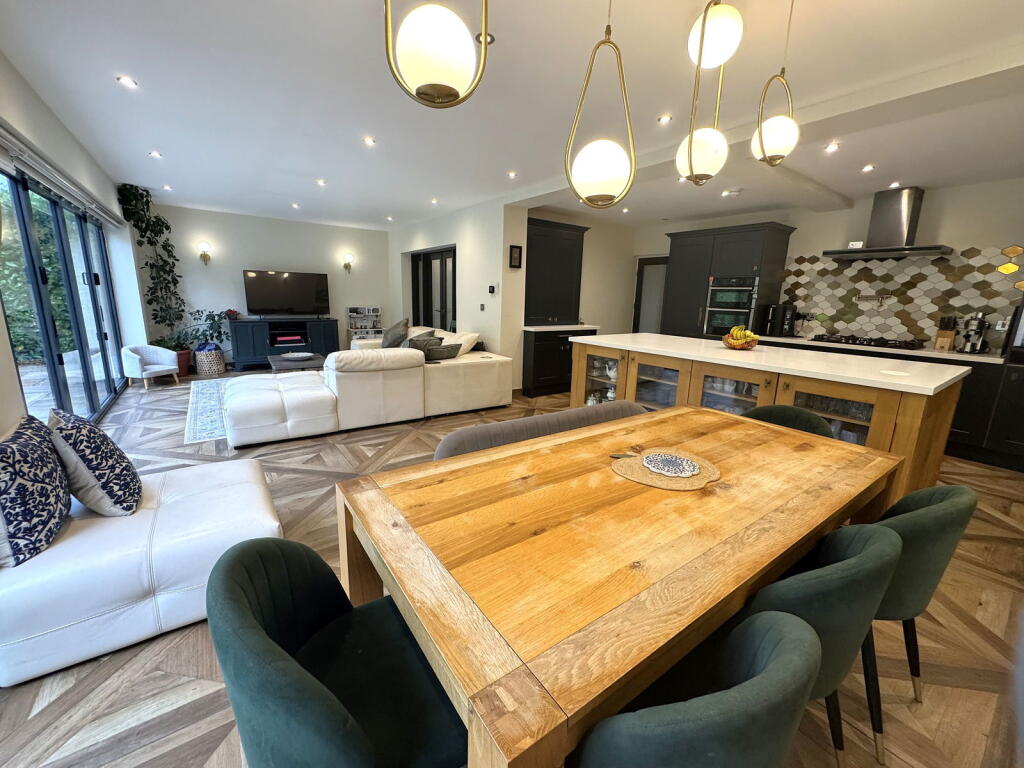
Soft browns and natural creams underpin open plan living, dining, and transitional spaces.
How to Introduce These Tones
Start small. Layer throws, pillows, and rugs in ochre, terracotta, or moss green. Pottery, vases, or plant containers in these colours offer instant visual warmth without overwhelming the room. This is ideal for testing colour combinations before committing to larger changes.
Choose upholstered furniture in muted linen, velvet, or textured fabrics. A caramel armchair or sage footstool creates interest without dominating the palette.
Select a single wall, alcove, or built-in joinery as your feature. Sage, muted teal, or warm beige can elevate an entryway, bedroom, or rear extension. Test swatches at different times of the day to assess how natural light affects their undertones, particularly in Manchester's north-facing spaces.
Enhance with natural materials. Wooden floors, reclaimed beams, stone countertops, and woven baskets underpin the earthy palette. We often coordinate material selection for renovations or new builds to establish harmony between surfaces and paint colours.
Use these tones in home offices, playrooms, or flexible living and dining areas. Layering colours across zones encourages seamless transitions and supports the multifunctional requirements of modern family life.
Projects Where We've Used This Approach
On a recent family home remodel in Bramhall, ochre and caramel tones in the cinema room create intimacy and warmth, while open plan zones benefit from neutral, light-reflecting backgrounds for family activities.
A luxury remodel in Hale Barns combined sage, soft brown, and natural oak to transform bedroom suites and wellness spaces, blending contemporary design with rural views.
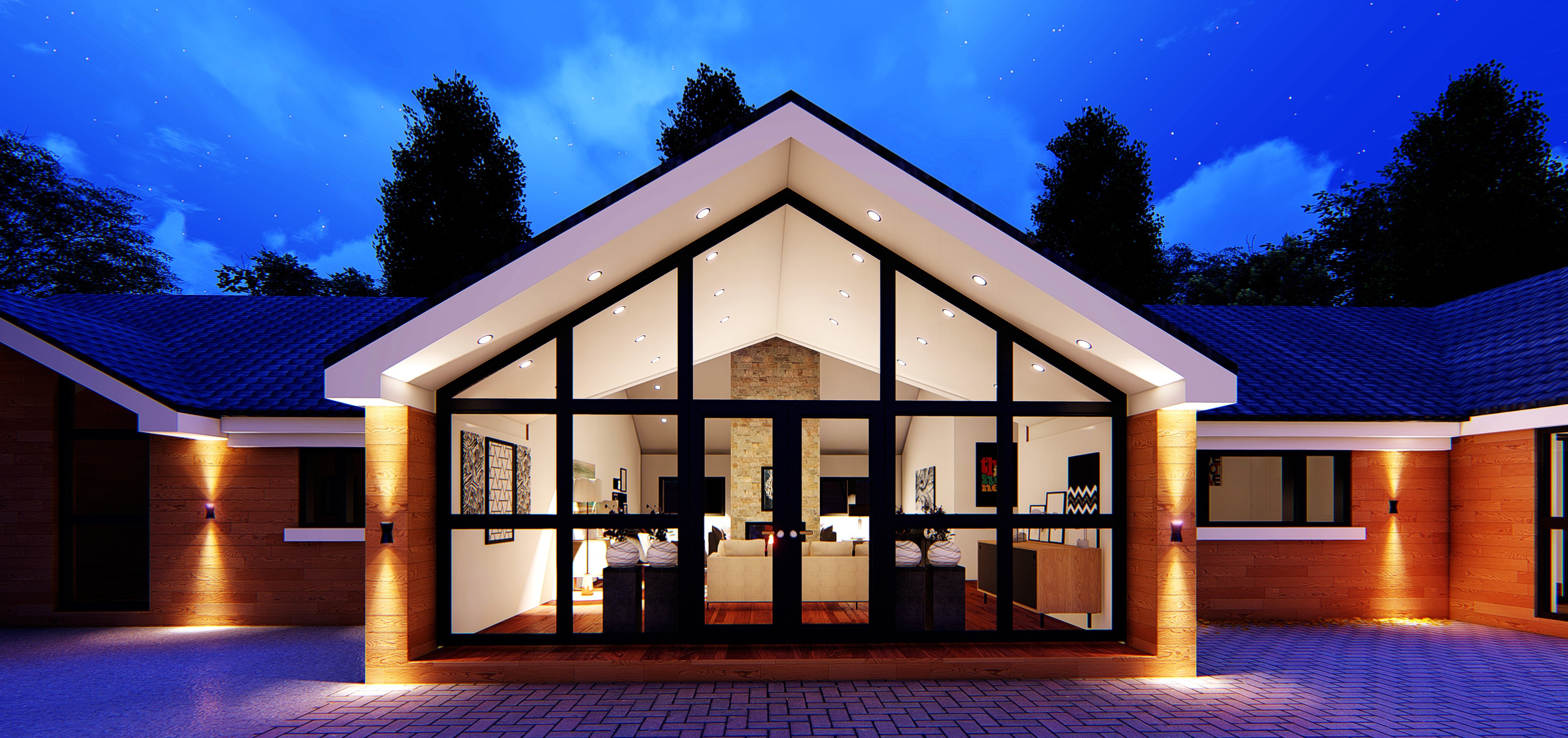
In a full-house refurbishment in Stockport, the strategic use of deep green, ochre, and muted blue balanced daylight and spatial proportions, especially in rooms with new glass gables.
For a greenbelt cottage in Cheshire, palettes that reference the local landscape linked old structures with new additions, making the home feel rooted yet fresh.
What to Keep in Mind
Daylight varies across Manchester. North-facing rooms often benefit from ochre, warm taupe, or soft pinkish beige, which can balance shadows. Always test swatches in real lighting before committing.
Mix painted surfaces with timber, stone, and textiles. Each texture reflects the palette differently, adding interest without clutter.
Earthy schemes adapt perfectly to future changes in furniture, accessories, or spatial arrangement. This flexibility is key when you're planning for the long term.
When adding space through an extension or loft conversion, use consistent tones and finishes throughout both old and new areas for seamless transitions.
Balance deep shades with natural light and lighter finishes to avoid making spaces feel small or heavy. Use feature walls or accents, not large, dark surfaces in enclosed or poorly lit rooms.
Ready to Rethink Your Interior?
Warm neutrals and earthy tones offer flexibility, tactile appeal, and a harmonious character that responds to both architectural context and everyday living.
If you're ready to reimagine your space with expert guidance, contact us for a free initial consultation. We're here to help you design and build your dream home in Manchester, Cheshire, and beyond.

More News